Community gathers at the Armory to help shape its future

At “Goodbye Contaminants – Hello Community!”, residents saw the Armory’s remediation progress and shared ideas to shape its future as the Arts Council moves into predevelopment.

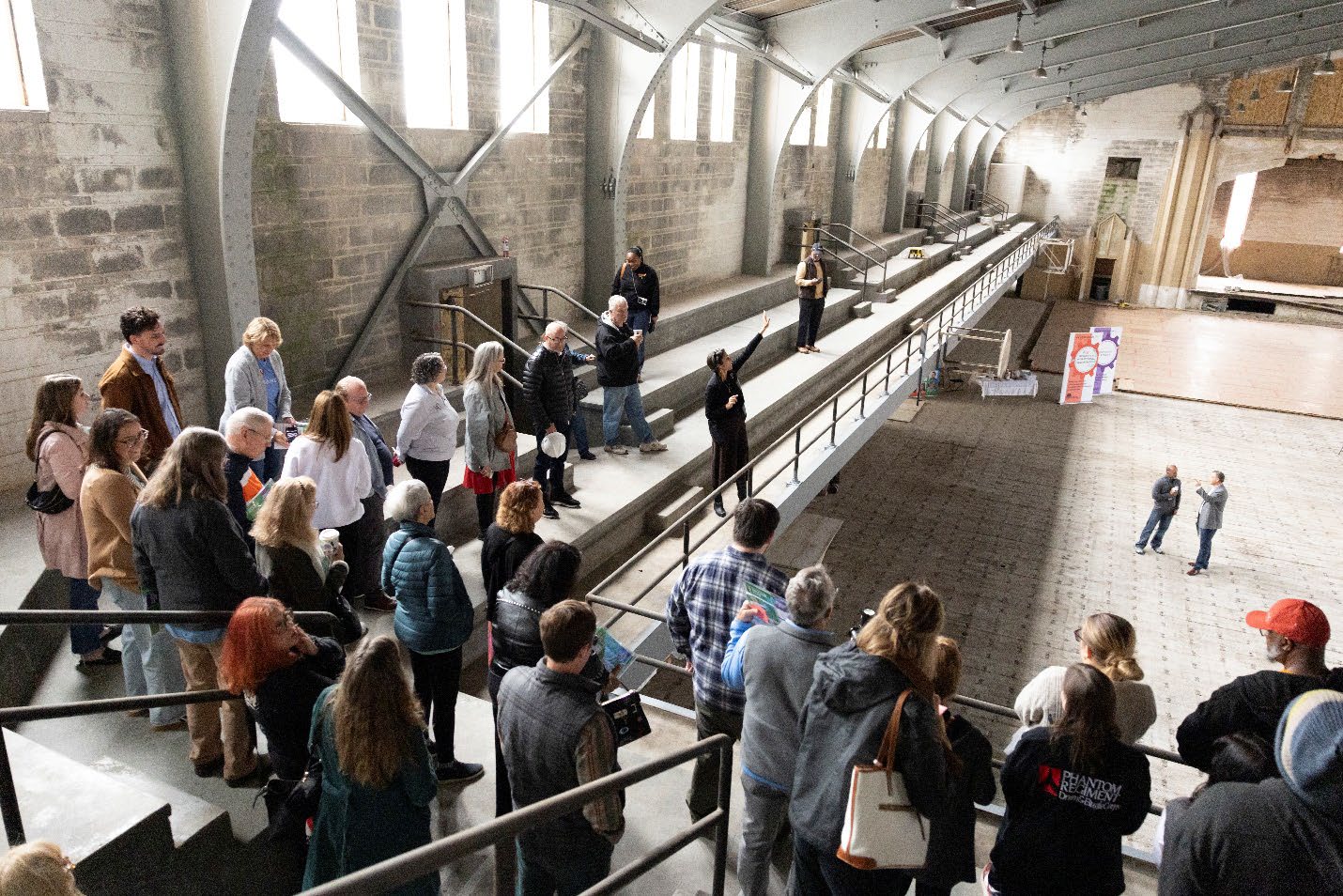
A tour group on the balcony overlooks the drill hall and its roof beams

ROCKFORD, IL (October 16, 2026) – The Rockford Area Arts Council welcomed the community to the Rockford Armory, 605 N. Main St., on Friday, October 16, for “Goodbye Contaminants – Hello Community!”, a morning event showing the progress made through the Arts Council’s U.S. Environmental Protection Agency (EPA) Brownfields grant.

As the Arts Council moves from its $1.54 million environmental remediation project into predevelopment, the event invited community input, expertise and ideas to help shape the vision for the Armory. A group discussion, questions and answers, written feedback at themed stations and a building tour gave participants several ways to share their priorities and imagine future uses for the building.
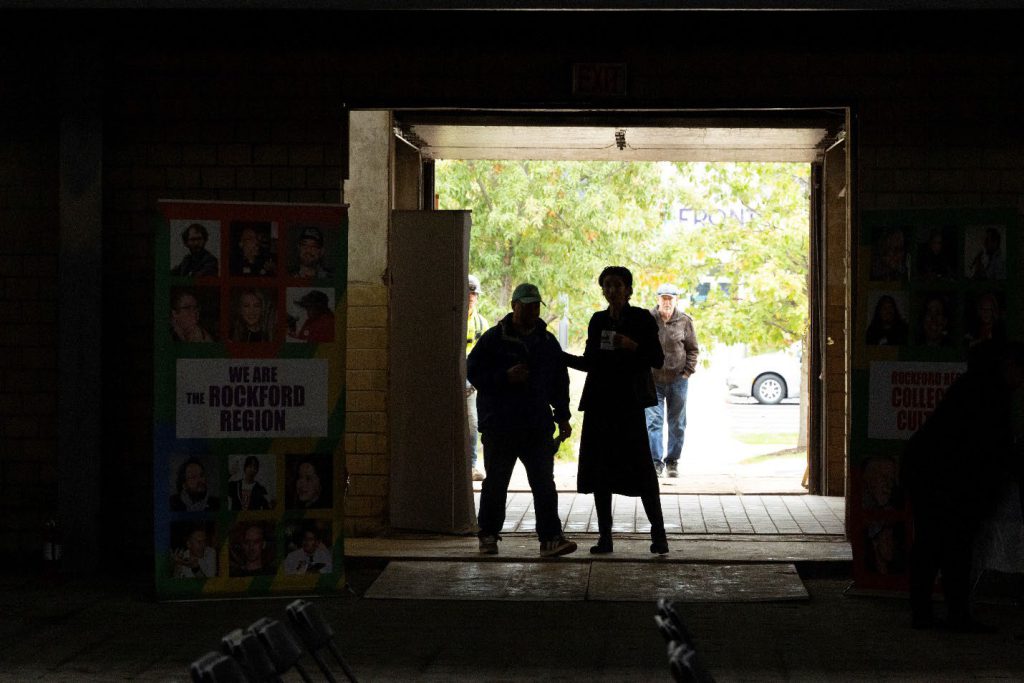
Guests silhouetted in the Armory’s large open doorway
Rockford Area Arts Council Executive Director Mary McNamara Bernsten welcomes guests to the Armory for a community engagement event inviting input on the building’s future.

Sharing context and perspectives

Executive Director Mary McNamara Bernsten opened the morning with the Armory’s history and the Arts Council’s vision for a cultural and civic center serving the Rockford region, giving context for the questions and ideas that followed.
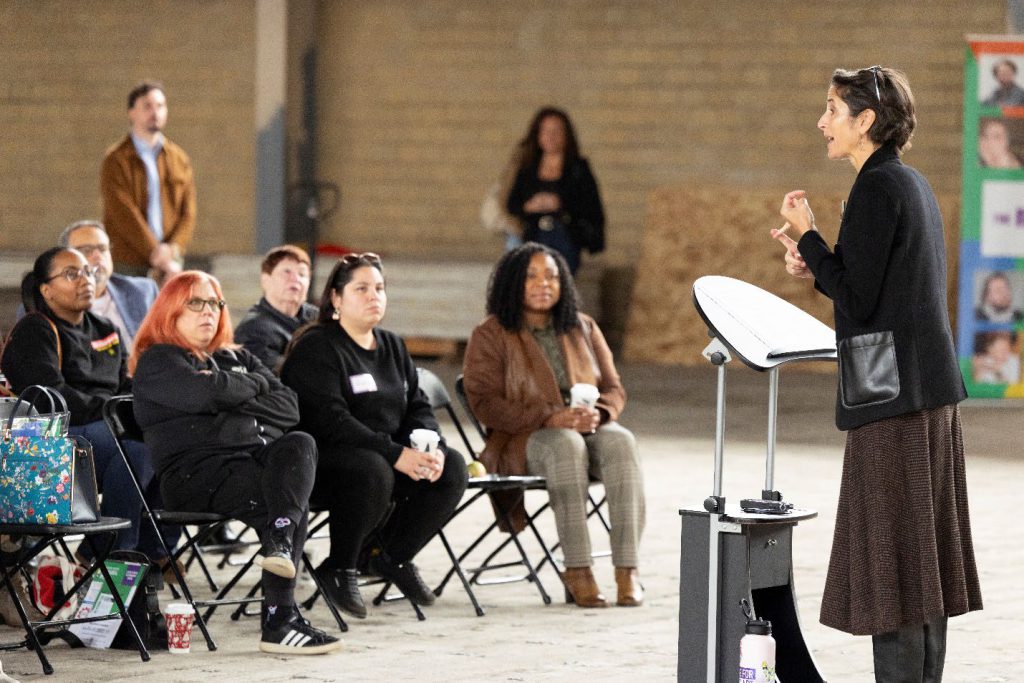
Mary McNamara Bernsten speaks to seated guests inside the Armory
McNamara Bernsten introduces the Armory’s history and the Arts Council’s vision, providing context for community questions and ideas.
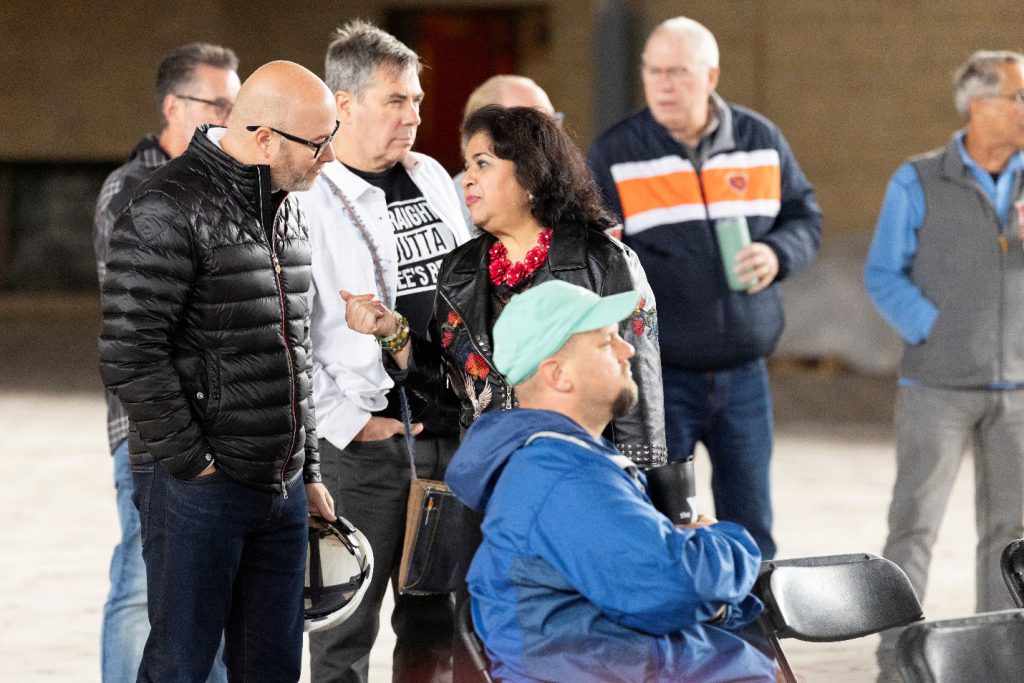
Community members talk together in a group inside the Armory
Community members exchange ideas about a cultural and civic center serving the Rockford region.

Questions and written feedback

During the group discussion, artists, educators, board members and neighbors asked how the Armory could serve the community. Participants then added written comments at themed stations, including Advocacy and Policy, Neighborhood and Space Development, and Youth & Arts Education. Their feedback captures community priorities for the planning discussions ahead.
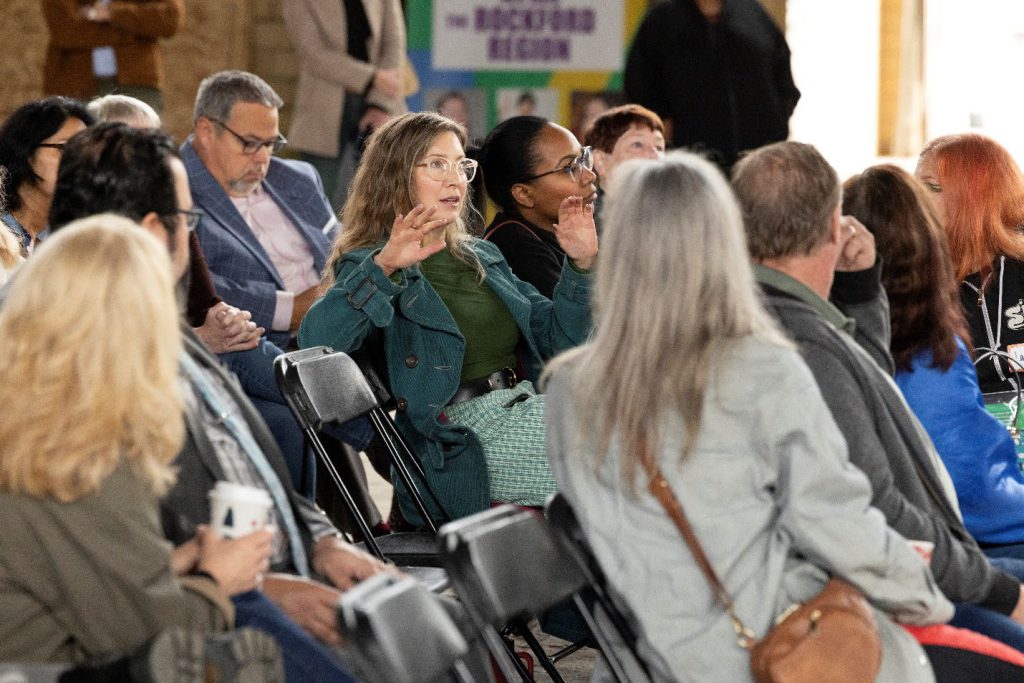
Seated guests listen as one asks a question
Artist and educator Molly Carter asks how the Armory could serve the community, bringing an artist’s and educator’s perspective to the planning process.
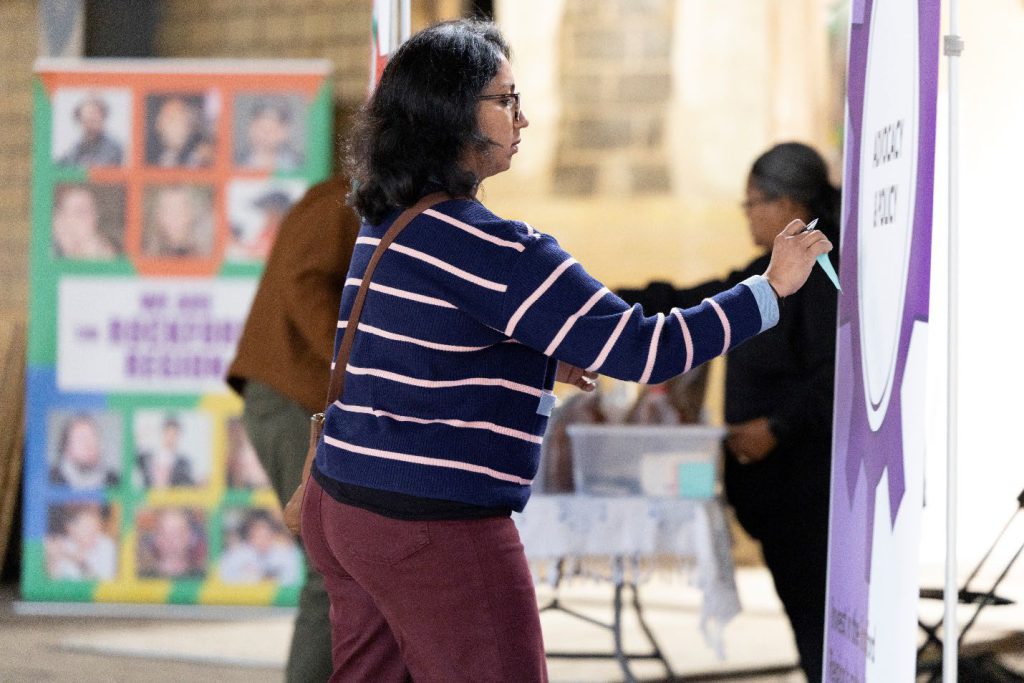
Asha Rani Tewani writes on a note at a feedback station
Arts Council board member Asha Rani Tewani records ideas at the “Advocacy and Policy” feedback station.
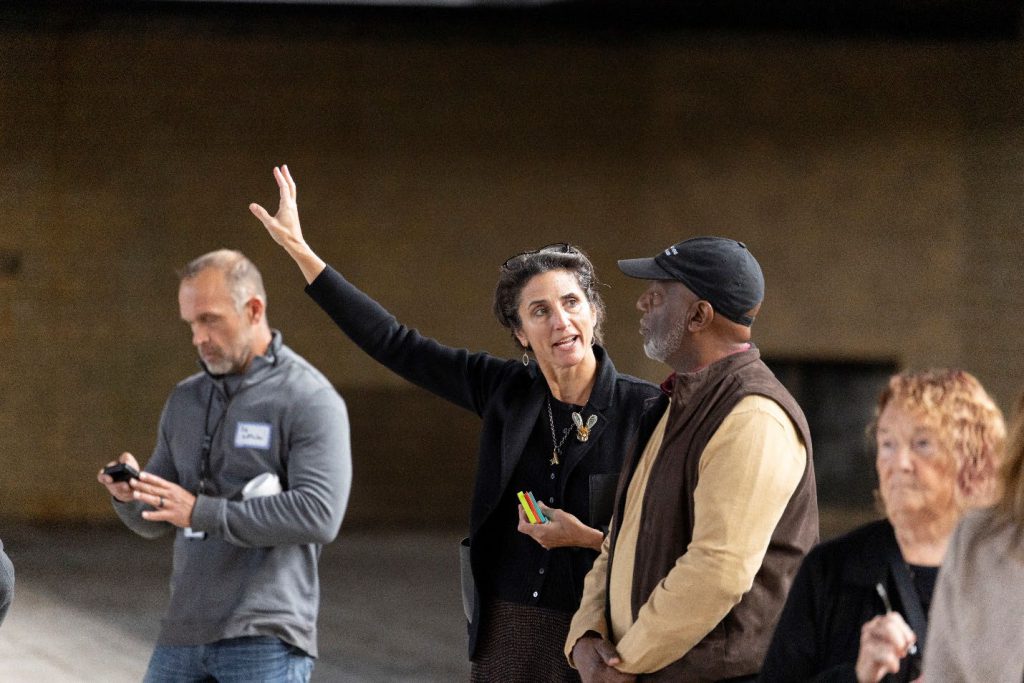
McNamara Bernsten points toward the ceiling while answering questions
McNamara Bernsten answers community members’ questions about the Armory’s future.
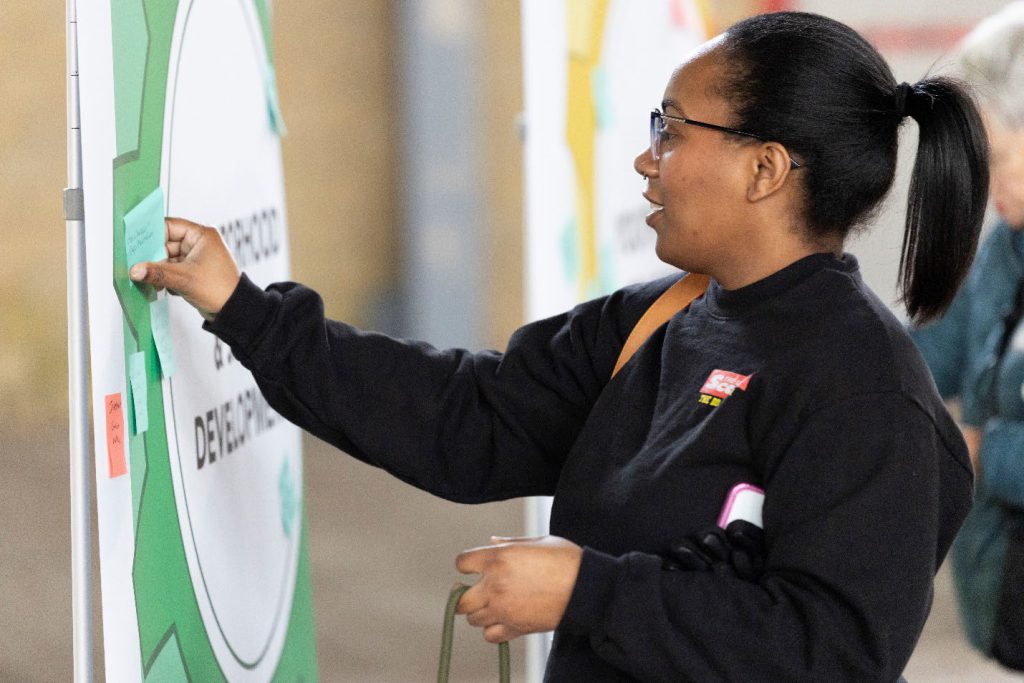
Jhaz Elayne places a note on the Neighborhood and Space Development board
Photographer Jhaz Elayne posts feedback at the “Neighborhood and Space Development” station.
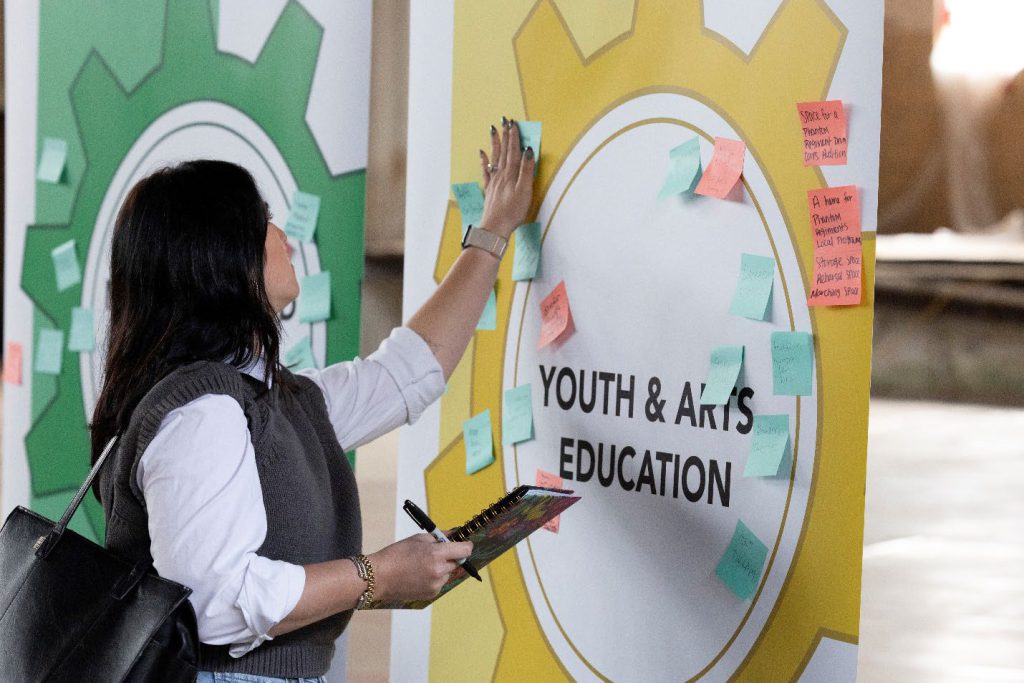
Rachel Larson adds a note to the Youth & Arts Education board
Rock River Development Partnership Executive Director Rachel Larson adds feedback at the “Youth & Arts Education” station.

Envisioning future uses

Guests then toured the building. Urban Equity Properties founder Justin Fern discussed early planning for the Armory’s redevelopment, and McNamara Bernsten led participants through classroom spaces and an upstairs room, inviting them to imagine how each space could serve the community.
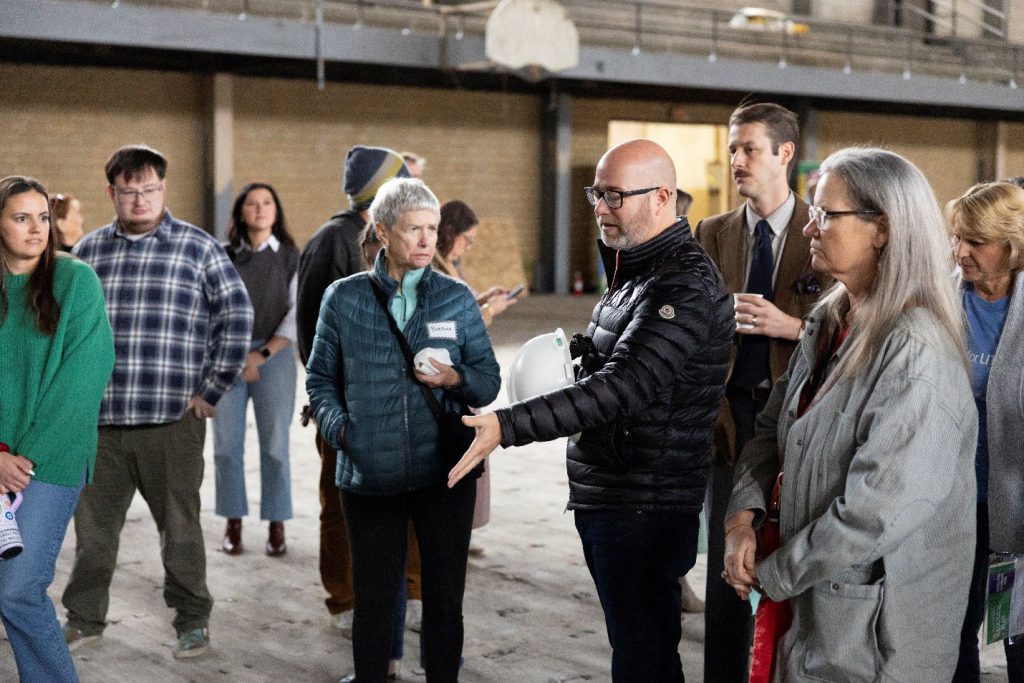
Justin Fern talks with a group of tour participants
Urban Equity Properties founder Justin Fern discusses early planning for the Armory’s redevelopment with tour participants.
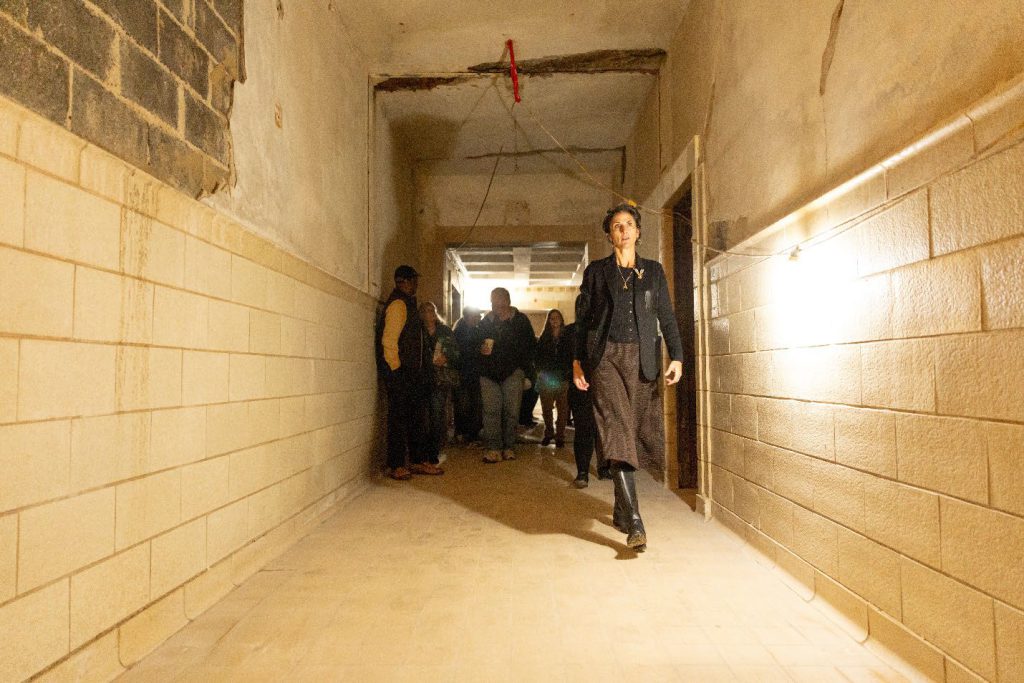
McNamara Bernsten leads a tour group down a brick hallway
McNamara Bernsten leads participants through the Armory to view classroom spaces.
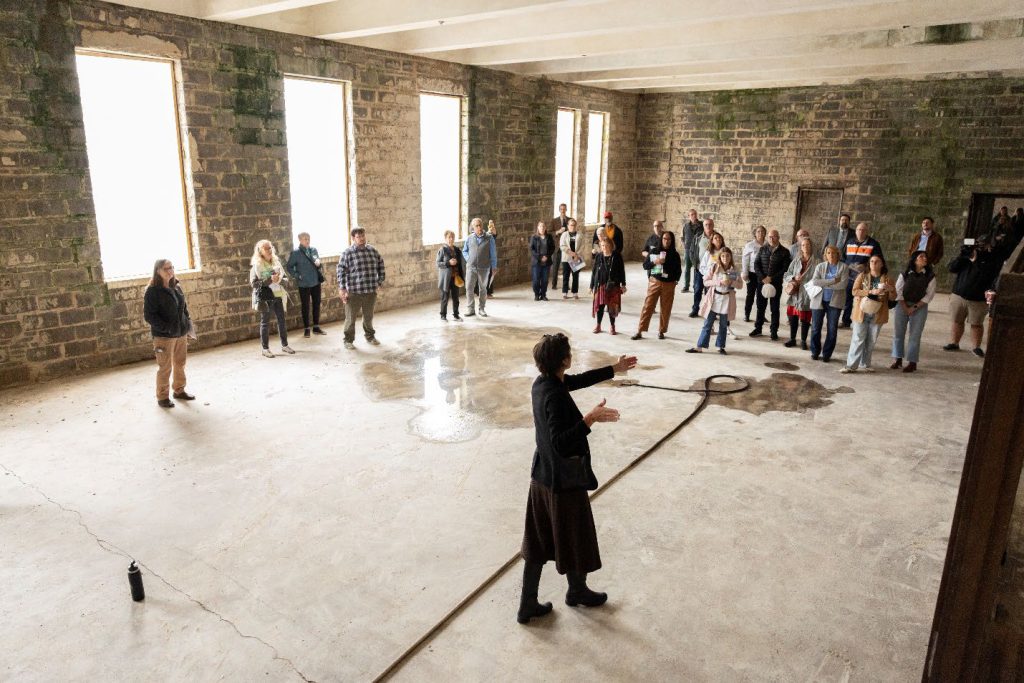
Tour participants stand in a circle in an empty upstairs room
McNamara Bernsten discusses potential uses for an upstairs room, inviting participants to envision how the space could serve the community.

Understanding remediation progress

The tour closed in the drill hall, where painted beams and roof improvements show the work completed during remediation, helping participants understand the building’s progress as they consider its future.

Photos by Jhaz Elayne.